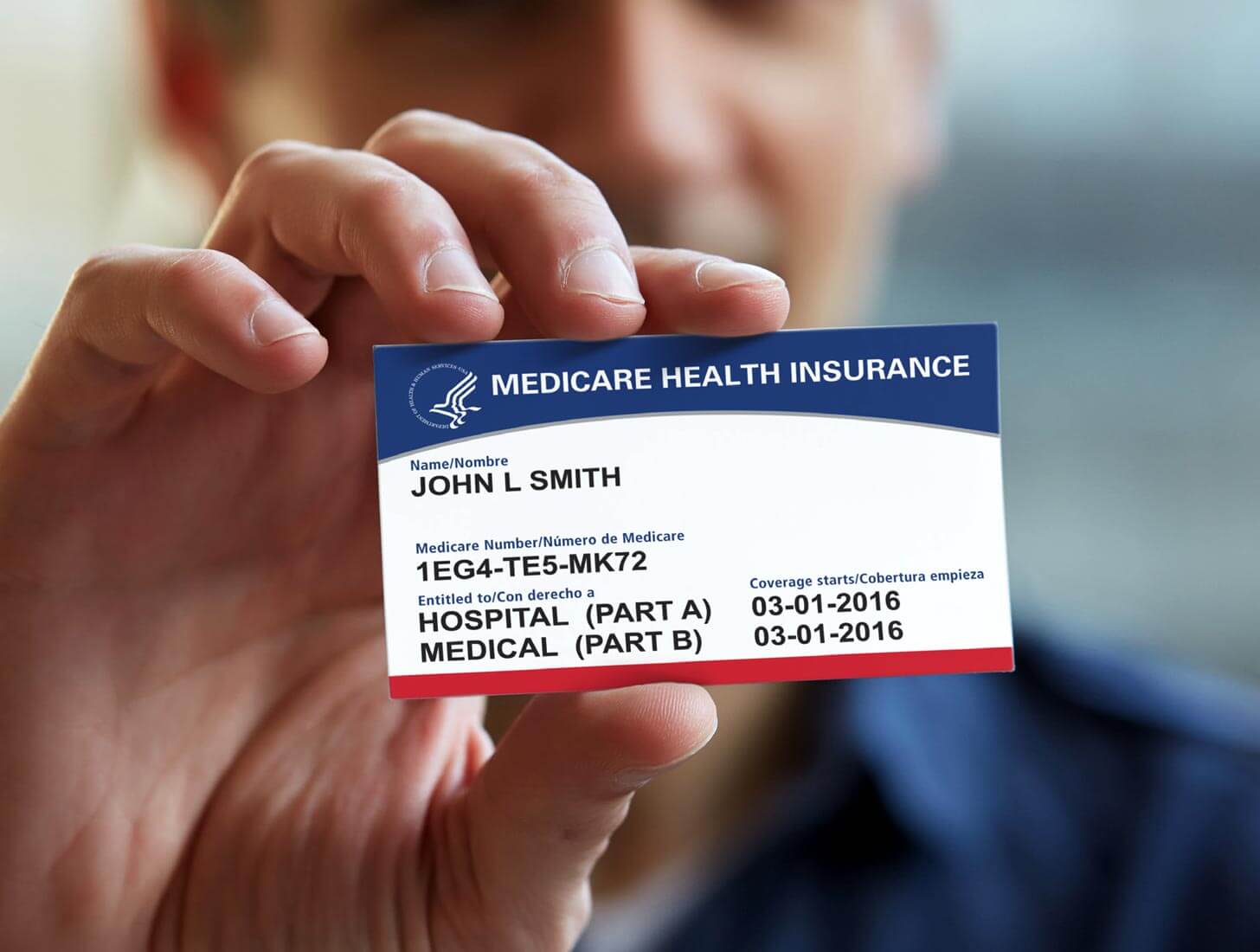
What Is Medicare Part B
Medicare Part B is the medical insurance portion of Medicare. It works alongside hospital coverage to help pay for outpatient services, doctor visits, preventive care, and medical supplies. Together with hospital insurance, it forms what is commonly called Original Medicare.
Part B focuses on the everyday healthcare services you may need, such as routine checkups, diagnostic tests, and treatment that does not require a hospital stay. This coverage helps individuals access medical care that keeps them healthy and detects problems early.
What’s Covered & What’s Not
Medicare Part B covers many medically necessary outpatient services, including care provided by doctors and specialists. Some of the most common covered services include:
Doctor Visits: Appointments with primary care doctors or specialists.
Preventive Services: Screenings, vaccines, and wellness visits to help detect health conditions early.
Diagnostic Tests: Lab tests, X-rays, MRIs, and other medical imaging.
Mental Health Services: Counseling, therapy, and psychiatric care.
Ambulance Services: Emergency transportation when medically required.
Durable Medical Equipment: Medical equipment like wheelchairs, walkers, oxygen equipment, and hospital beds.
Some services are not included under Part B, such as routine dental care, vision exams, hearing aids, cosmetic procedures, and most prescription drugs.

Eligibility, Costs & Enrollment
Most people become eligible for Medicare Part B when they turn 65 years old. Some individuals may qualify earlier if they receive Social Security disability benefits or have certain health conditions like ALS or End-Stage Renal Disease.
Unlike hospital coverage, Part B requires a monthly premium. For many beneficiaries, the standard premium is about $185 per month, though higher-income individuals may pay more depending on income levels.
Before Medicare begins covering services, you must meet an annual deductible. After that, most services are typically covered at around 80% of the approved cost, leaving you responsible for the remaining portion.
Enrollment usually happens during your Initial Enrollment Period, which begins three months before your 65th birthday month and ends three months after. Signing up during the correct time helps avoid late-enrollment penalties